Control Valves


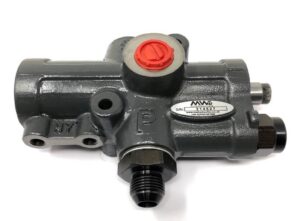
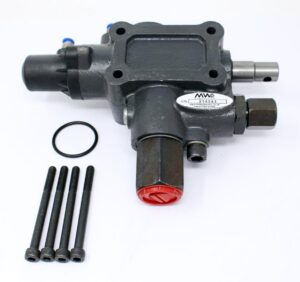
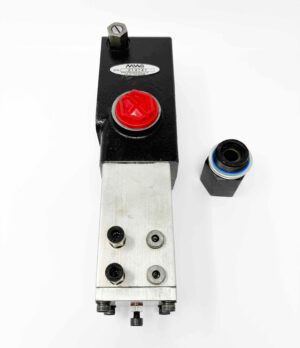
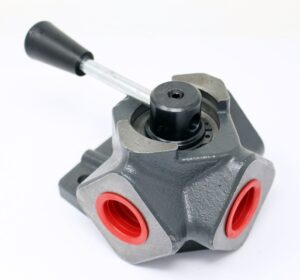
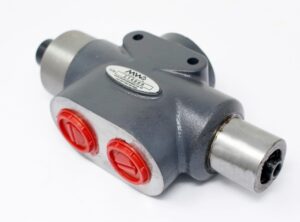
Directional Tipping Valve Pneumatic Operated 140L – 180 Bar (Tank Mountable)
£200.00 Exc VAT SKU: HYCON-T-010


Find Out Answers Here
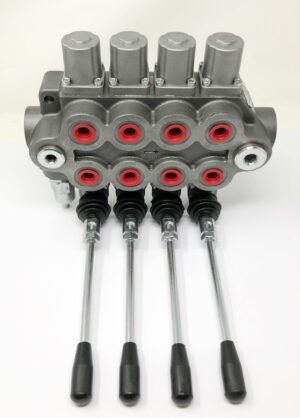
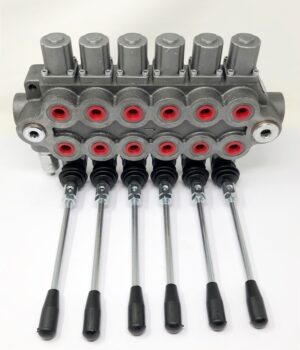
Hydraulic directional valve (control valve) truck parts regulate the flow and pressure of hydraulic oil within a vehicle’s hydraulic system. They control how hydraulic power is delivered to equipment such as tipping gear, cranes, or other auxiliary hydraulic functions. By managing direction, pressure, and flow rate, directional valves (control valves) ensure smooth, predictable, and safe operation under load. In commercial vehicles, reliable hydraulic directional valves (control valves) help reduce strain on pumps and hoses, improve system efficiency, and maintain consistent performance in demanding working conditions. Using the correct directional valve (control valve) truck parts is essential for preventing leaks, pressure loss, and premature component failure. These valves play a central role in hydraulic wet kit systems and overall vehicle reliability.
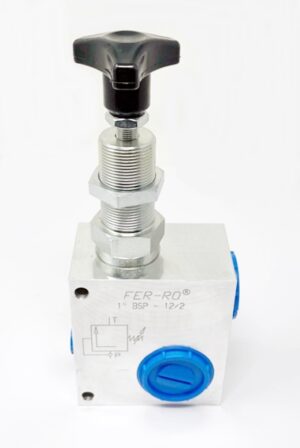
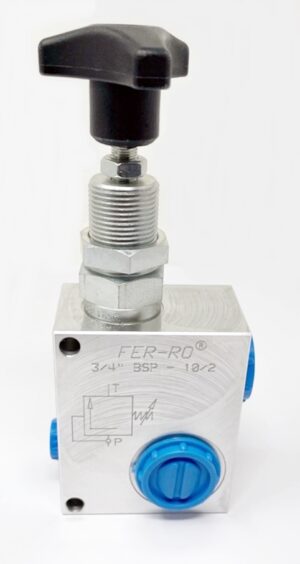
Choosing the right hydraulic directional valve (control valve) truck part depends on several factors, including system pressure, required flow rate, and the specific hydraulic function being operated. It’s important to match the valve’s pressure rating and flow capacity to your system to avoid overheating or restricted performance. Valve type also matters — directional valves (control valves), pressure relief valves, and flow directional valves (control valves) each serve different purposes. Port size, mounting configuration, and hose compatibility should also be checked. Selecting the correct directional valve (control valve) protects other hydraulic truck parts, improves performance, and supports long-term system reliability, especially in hydraulic wet kit applications.
Faulty hydraulic directional valve (control valve) truck parts can cause noticeable performance issues. Common signs include slow or jerky movement of hydraulic equipment, inconsistent pressure, or failure to respond when controls are operated. Visible leaks around the valve body or connections often indicate worn seals or internal damage. You may also notice increased operating temperatures or unusual noises during use. Ignoring these symptoms can place additional strain on pumps, hoses, and , leading to more extensive repairs. Replacing worn or damaged directional valves (control valves) early helps restore proper operation and reduces the risk of unexpected downtime caused by hydraulic system failure.
Commercial trucks use several types of hydraulic directional valve (control valve) truck parts depending on the application. Directional directional valves (control valves) manage the direction of fluid flow, pressure directional valves (control valves) regulate system pressure to protect components, and flow directional valves (control valves) adjust the speed of hydraulic actuators. Some systems also use solenoid-operated valves for electrically controlled hydraulic functions. Choosing the correct valve type ensures accurate control, safer operation, and improved efficiency. Correct specification is especially important in hydraulic wet kit systems, where valve performance directly affects reliability and overall system behavior.
High-quality hydraulic directional valve (control valve) truck parts are designed to withstand high pressures, constant use, and harsh operating environments. Inferior valves may leak, stick, or fail prematurely, increasing maintenance costs and downtime. Reliable valves provide consistent control and help protect other hydraulic truck parts from damage caused by pressure fluctuations or contamination. Investing in quality components improves safety, reduces breakdowns, and supports long-term vehicle reliability. For fleet operators and owner-drivers, dependable directional valves (control valves) are essential for efficient hydraulic system operation.