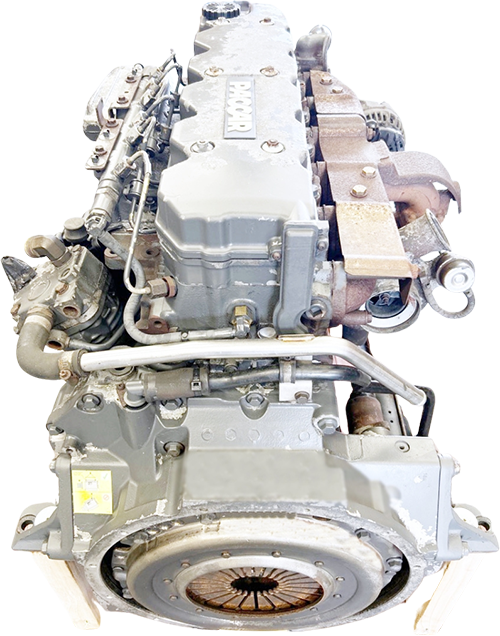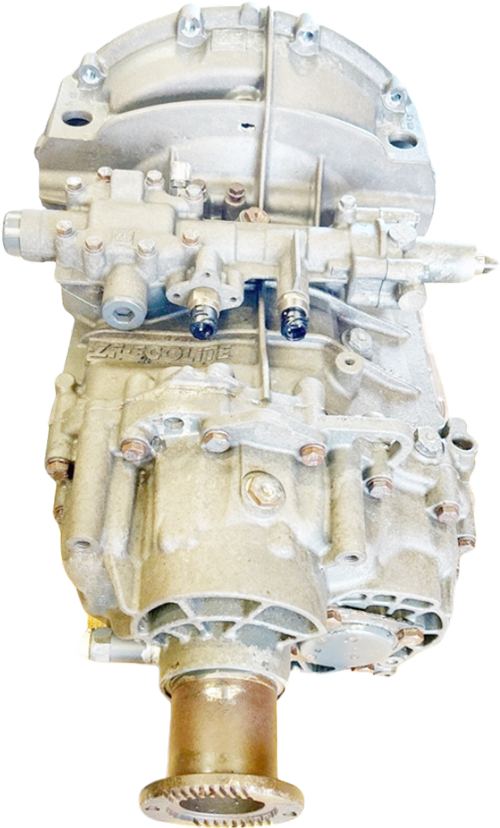
PTO for trucks
-

Compatible PTO Systems for Daf Trucks (15)
-

Iveco (18)
-
MAN (15)
-
Mercedes (18)
-
Renault (13)
-
Scania (9)
-
Volvo (15)







Enhance the functionality of your trucks with our high-quality power take-off (PTO) units. Designed for reliability and durability, our PTOs enable seamless transmission of power to auxiliary equipment. With various models and configurations available, we have the perfect PTO solution to suit your truck’s needs. Contact us now for more information.
Find Out Answers Here
A PTO (Power Take-Off) is a mechanical unit that allows a truck’s engine and gearbox to drive auxiliary equipment such as tipping gear, walking floors, cranes, or hydraulic pumps. Without a PTO, the engine’s power cannot be transferred to these systems. In hydraulic applications, the PTO drives the pump, which then generates oil flow and operating pressure for the system.Choosing the correct PTO is important because it must match the vehicle gearbox, engine output, and intended duty cycle. A poorly matched PTO can lead to inefficient operation, excessive noise, or premature wear. A correctly specified PTO ensures smooth engagement, reliable power delivery, and long service life, supporting safe and efficient operation of the truck’s hydraulic equipment.
Choosing the correct PTO starts with understanding your vehicle’s gearbox, engine type, and hydraulic requirements. PTOs are gearbox-specific, so details such as gearbox make and model are essential. You also need to consider how the PTO will be used, including the type of hydraulic equipment being driven and how frequently it will operate. Pump size, rotation direction, torque demand, and mounting format all influence PTO selection. Providing accurate vehicle details helps avoid mismatches that could cause fitting issues or poor performance. A correctly chosen PTO delivers the right speed and torque to the pump, ensuring dependable hydraulic operation while protecting drivetrain components from unnecessary stress or damage.
Most PTO units are supplied with basic fitting guidance and technical information to support correct installation. While fitting should always be carried out by a qualified technician, having the correct information beforehand is essential. Proper installation involves accurate alignment with the gearbox, ensuring all mounting points are secure, and confirming the PTO output matches the hydraulic pump. Incorrect installation can result in noise, vibration, oil leaks, or premature internal wear. Technical advice is often available to assist with compatibility checks and setup considerations. Providing full vehicle and pump details before ordering helps ensure the PTO arrives ready to fit, reducing downtime and avoiding installation- related issues.
Yes, PTO-to-pump compatibility is critical for reliable hydraulic system performance. Compatibility depends on factors such as shaft type, mounting pattern, rotation direction, and operating speed. The PTO must be capable of driving the pump efficiently without exceeding torque limits or operating outside recommended speeds. Mismatched components can lead to poor performance, vibration, leaks, or mechanical stress. Supplying accurate pump details such as manufacturer, model, and mounting style allows correct matching. When the PTO and pump are properly paired, power transfer is smooth and efficient, wear is reduced, and overall system reliability and service life are significantly improved.
Delivery times vary depending on the PTO type and vehicle specification. PTOs for common gearboxes are often held in stock and can be dispatched quickly. More specialised PTOs, or those for less common transmissions, may require additional lead time. Clear delivery expectations are provided at the point of order. Supplying accurate vehicle and pump information helps avoid delays caused by incorrect specification. For urgent requirements, availability can often be checked in advance. Planning ahead and confirming compatibility early helps ensure the correct PTO is supplied first time, minimising vehicle downtime and disruption.