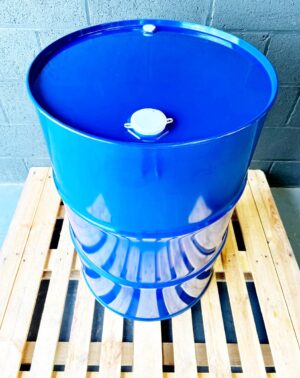
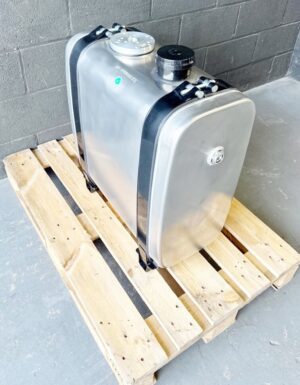
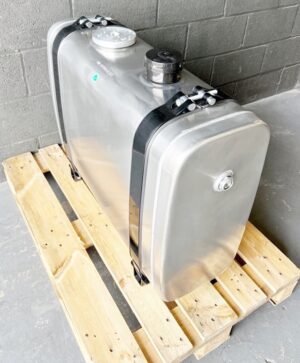
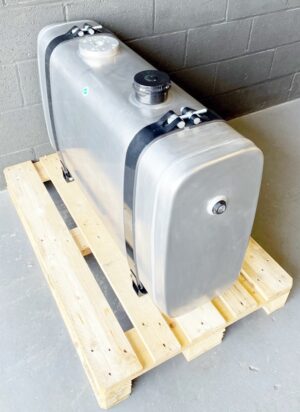
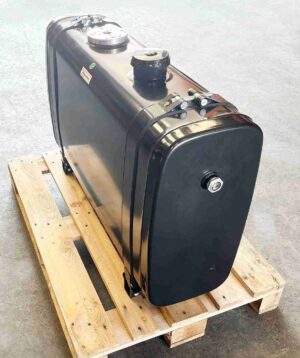
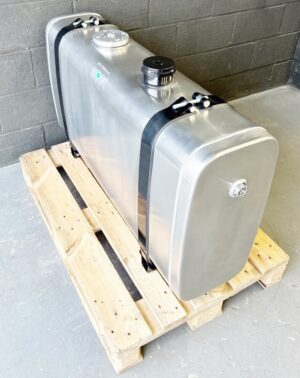
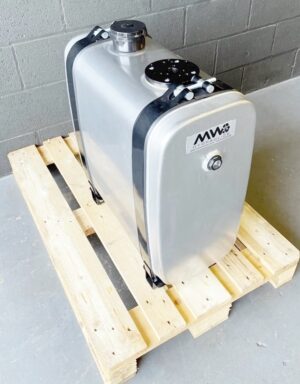
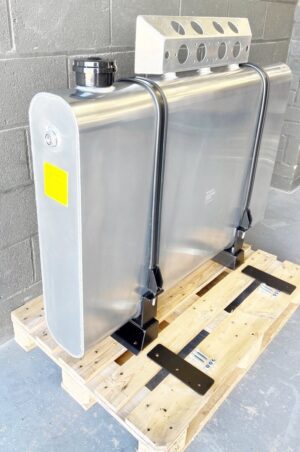
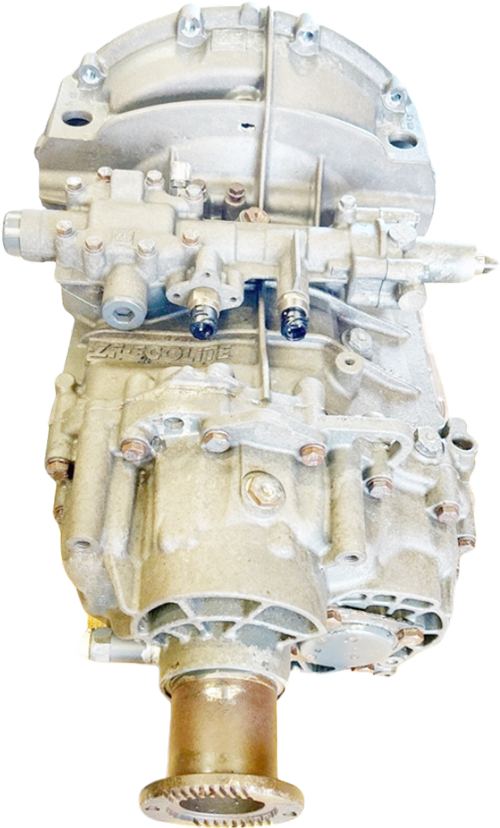
Rear mounted hydraulic tank truck parts store hydraulic fluid used to power systems such as tipping gear and other auxiliary hydraulic equipment. Positioned at the rear of the vehicle, these tanks provide a stable and accessible fluid reservoir while supporting efficient system layout.
Correct tank sizing helps maintain consistent fluid supply, improves heat dissipation, and protects pumps and valves from cavitation. Rear mounted tanks are commonly used in hydraulic wet kit setups where space and system balance are important. Using a correctly specified rear mounted hydraulic tank helps ensure smooth operation, reduces wear on hydraulic components, and supports reliable performance under heavy-duty commercial use.
Choosing the right rear mounted hydraulic tank truck part depends on required fluid capacity, available chassis space, and your hydraulic system configuration. An undersized tank can lead to overheating, while an oversized tank may cause fitment issues or unnecessary weight.
Features such as internal baffles help stabilise fluid movement, while quality breather caps reduce contamination risk. Mounting bracket compatibility and port positioning should also be checked. Matching the tank to your hydraulic wet kit setup ensures reliable fluid supply, smoother operation, and reduced maintenance issues over time.
Rear mounted hydraulic tank truck parts offer several benefits for commercial vehicles. Rear placement improves weight distribution and reduces hose lengths, helping minimise pressure loss and improve system responsiveness. Internal baffles reduce fluid movement during tipping or lifting operations, keeping the system stable. Rear mounted tanks also offer easier access for filling and inspection, which simplifies routine maintenance. These advantages make rear mounted tanks a popular choice for heavy-duty hydraulic applications where reliability and ease of servicing are important.
Rear mounted hydraulic tank truck parts should be inspected during regular vehicle servicing. Checks should include fluid level, signs of contamination, leaks around fittings, and secure mounting. Breather caps and filters should also be inspected to prevent dirt or moisture entering the system. Regular inspection helps protect pumps, directional valves (control valves), and other hydraulic truck parts from premature wear and failure. In harsher operating environments or high-duty applications, more frequent checks are recommended to maintain oil quality, reduce the risk of cavitation, and extend the service life of the entire hydraulic system.
Common issues include fluid contamination, leaks, and aeration. Regular servicing, correct fluid maintenance, and using quality tank accessories help prevent these problems and keep hydraulic systems operating efficiently. Contaminated oil can damage pumps and directional valves (control valves), while aeration may cause erratic system performance and increased heat. Leaks can lead to low fluid levels, cavitation, and premature component wear. Problems are often caused by poor filtration, damaged breathers, loose fittings, or incorrect tank sizing. Routine inspection, timely filter changes, and maintaining correct oil levels are essential to protect hydraulic components and avoid costly downtime.